Centella Benefits for Skin: Why This Humble Herb Became a K-Beauty Hero
Long before it showed up on Korean skincare labels as "cica," Centella asiatica was growing in damp, shady corners across India and Southeast Asia. In Ayurveda, it's known as mandukaparni; elsewhere it's called gotu kola or tiger grass, after an old story about injured tigers rolling in it to heal their wounds. Today it's one of the most trusted calming ingredients in skincare. Here's a closer look at the real centella benefits for skin, what makes it work, and how to use it well.
What's inside centella
Centella's skin benefits come mainly from four naturally occurring compounds called triterpenoids: madecassoside, asiaticoside, madecassic acid, and asiatic acid. You'll sometimes see these listed individually on ingredient labels, especially madecassoside.
Alongside them, the plant contains flavonoids and other antioxidants. Together, this mix is why centella shows up in so many formulas meant for irritated, stressed, or recovering skin.
Centella benefits for skin, one by one
-
It calms redness and irritation
This is centella's best-known talent. Its compounds help quiet the inflammatory signals that make skin flush, sting and feel hot. That makes it a natural fit for sensitive skin, skin reacting to active ingredients, and the redness that follows breakouts or sun exposure.
-
It supports barrier repair
Centella has been studied for decades in wound healing, which is where much of its reputation comes from. In skincare, that translates to helping a stressed barrier recover more comfortably. Laviere's own ingredient library describes cica as chosen for skin barrier repair and soothing properties.
-
It helps with firmness over time
Research suggests centella's active compounds can support collagen production in the skin. It's not an overnight effect, but it's one reason centella appears in anti-ageing and elasticity formulas, not just calming ones.
-
It's kind to acne-prone skin
Centella doesn't treat acne directly the way salicylic acid or retinoids do. But it helps calm the inflammation around breakouts and supports healing, which can make red marks settle faster. It also pairs comfortably with stronger acne treatments, making them easier to tolerate.
- It brings antioxidant protection
Pollution, UV, and heat generate free radicals that break down skin over time. Centella's antioxidants add a layer of support against that daily stress, which matters in Indian cities.
Not all centella is the same. There are a few forms you'll come across:
- Centella extract (cica): the whole-plant extract, gentle and widely used
- Isolated compounds: madecassoside or asiaticoside on their own, for more targeted soothing
- Biotech centella: grown from the plant's stem cells in a controlled lab environment rather than harvested
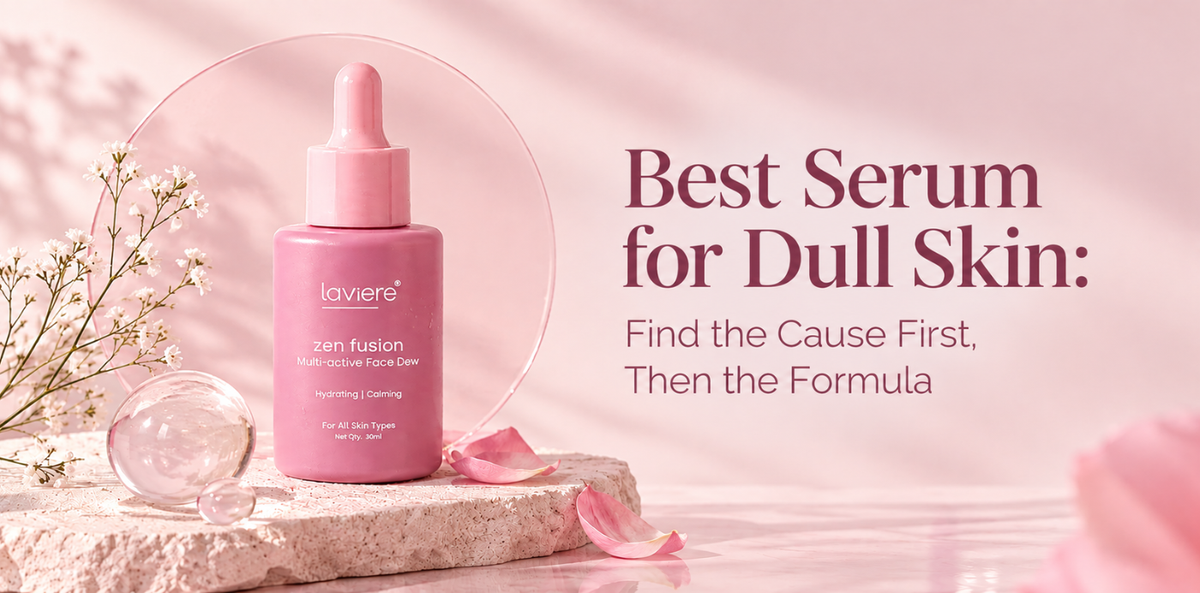
That third category is where Centella Reversa™ comes in. It's the biotech ingredient inside Zen Fusion, listed as centella asiatica callus conditioned media. Instead of simply extracting the plant, it's cultivated to yield plant exosomes and vegan PDRN, which is why it behaves differently from ordinary centella extract. We've unpacked the science in our post on Centella Reversa™.
In an ingredient study shared by Laviere, five volunteers aged 52 to 63 used a cream containing 2% Centella Reversa™ twice daily. VISIA imaging showed redness down 45% and pores down 51% by day 28, rising to 52% and 57% by day 56. It's a small study on the ingredient rather than the finished serum, so treat it as an encouraging early signal rather than a promise, but it shows why biotech centella is getting attention.
How to use centella in your routine
The nice thing about centella is that it plays well with nearly everything. You can use it morning and night, and it layers comfortably with niacinamide, hyaluronic acid, vitamin C and retinoids.
A few ways to get it into your routine with Laviere:
- Cleanse: Hydra Splash includes CICA alongside hyaluronic acid and niacinamide, so the calming starts at step one.
- Treat: Zen Fusion brings Centella Reversa™ together with peptides, a vitamin C derivative and hydrators.
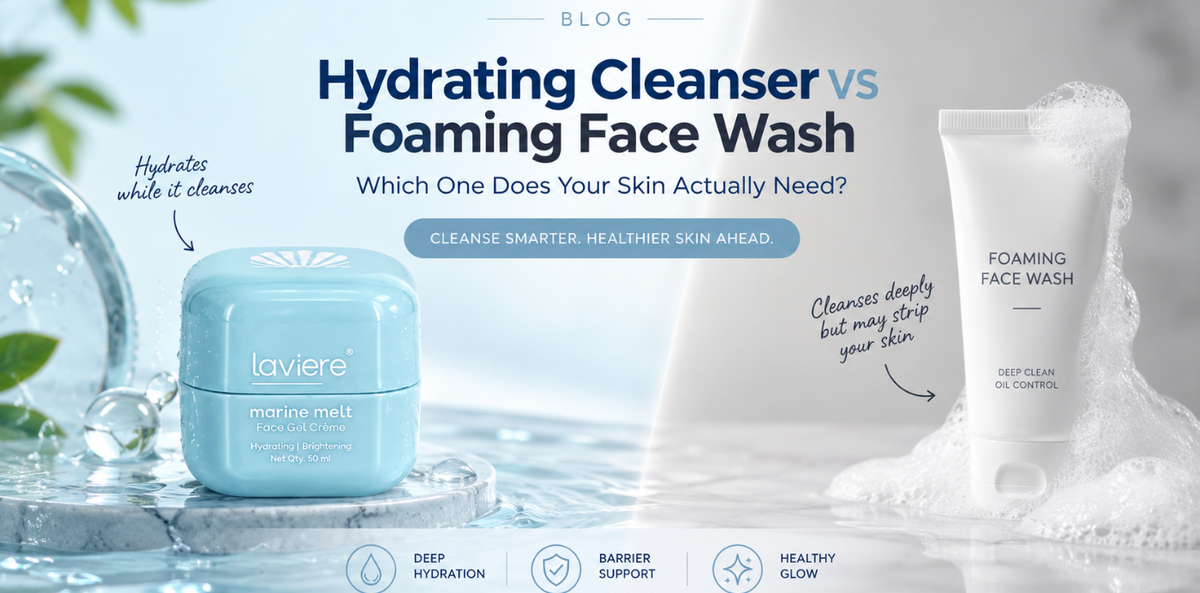
Moisturize: Marine Melt pairs CICA extract with Ceramide 2 and Ectoin for barrier strengthening.
If you're using retinoids or exfoliating acids, centella-based products on your "off" nights help your skin recover between treatments. It's also a smart post-sun step after a day outdoors.
Who should use centella?
Almost anyone. It's especially useful if you have sensitive or reactive skin, acne-prone skin with lingering redness, a compromised barrier, or skin that's stressed by pollution and climate. As always, patch test any new product first; plant-derived ingredients can occasionally trigger allergies in a small number of people.
FAQs
Q Is cica the same as centella asiatica?
Yes. Cica is a shortened name, from "cicatrisation" (the French word for wound healing), used for centella-based ingredients.
Q Can I use centella every day?
Yes. It's gentle enough for twice-daily use on most skin types.
Q Does centella help with acne scars?
It can help red post-acne marks look calmer as skin heals, but deeper, pitted scars usually need professional treatment.
Q Can I use centella with niacinamide?
Yes, they work well together for calming and barrier support.
Among all the centella benefits for skin, the biggest is consistency: it's a gentle, reliable ingredient that helps almost every other part of your routine work better.

Written by Madhu Tiwari