How to Choose a Face Moisturizer for Sensitive Skin (Without Playing Ingredient Roulette)
Sensitive skin has a way of turning every new product into a gamble. One day a cream feels lovely; the next it stings, flushes pink, or leaves a cluster of tiny bumps along your jaw. Finding a face moisturizer for sensitive skin isn't about hunting down the gentlest-sounding label. It's about understanding what your skin is reacting to and choosing a formula that calms instead of provokes.
First, what "sensitive" actually means
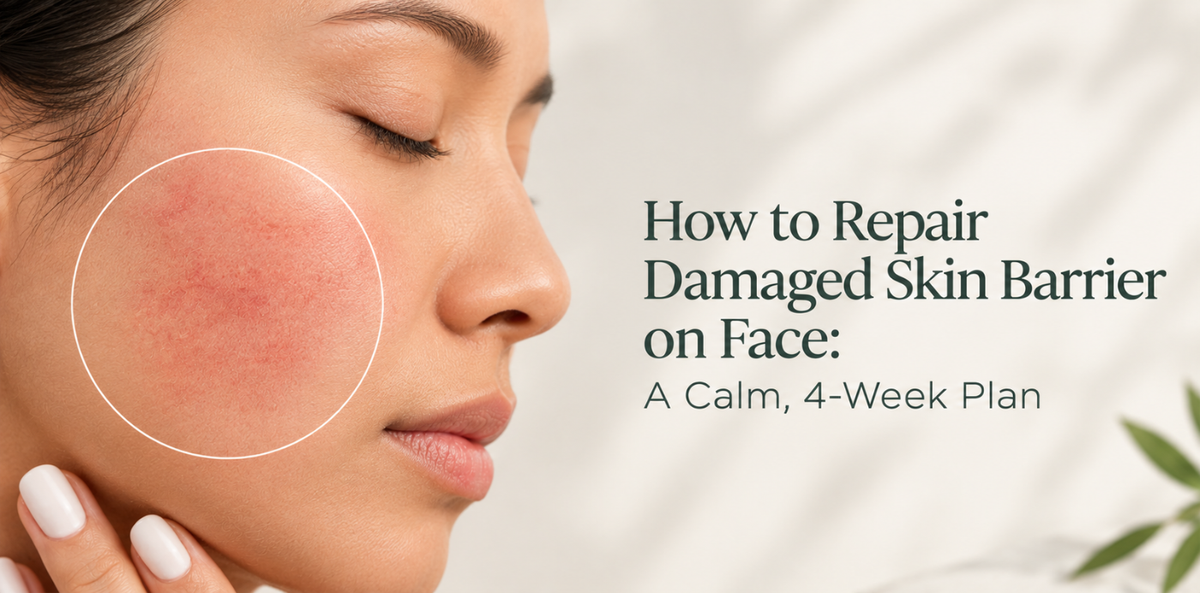
Sensitive skin isn't a single diagnosis. It's a description of skin that reacts more easily than average: stinging or burning when you apply products, redness that comes and goes, itchiness, tightness, or breakouts that appear after trying something new.
For many people in India, sensitivity is at least partly situational. Heat and sweat, city pollution, hard water, a sudden move from Mumbai humidity to a dry Delhi winter, and long hours under AC can all leave the skin barrier thinner and more reactive. Over-exfoliation is another big one. Stacking acids, retinoids, and scrubs is one of the fastest ways to turn normal skin into sensitive skin.
That's good news, in a way. If your barrier is the problem, a well-chosen moisturizer is a big part of the fix.
What to look for in a face moisturizer for sensitive skin
Think of it as two jobs: repair the barrier, and keep inflammation quiet.
Barrier lipids. Ceramides are the fats that hold skin cells together, a bit like mortar between bricks. When they run low, water escapes and irritants get in. A moisturizer with ceramides helps rebuild that layer.
Humectants. Hyaluronic acid and glycerin draw water into the skin so it feels plump rather than tight. They're among the least reactive hydrators around.
Soothing botanicals and actives. Centella asiatica (often labelled CICA) has a long track record for calming redness and supporting repair. Ectoin, a molecule made by microorganisms that survive extreme salt and heat, helps protect cells from environmental stress. Panthenol is another reliable comfort ingredient.
A sensible texture for your climate. Sensitive skin doesn't automatically need a thick cream. In humid weather, a gel-cream can repair and soothe without trapping heat, which can itself trigger flushing.
What to be cautious with
Everyone's triggers are different, but a few ingredients are common culprits:
• Added fragrance and essential oils, which are frequent causes of irritation and allergic reactions
• High concentrations of exfoliating acids in a leave-on moisturizer
• Denatured alcohol high up in the ingredient list
• Very long ingredient lists packed with extracts, because every extra ingredient is another possible trigger
One nuance: niacinamide is widely tolerated and helps strengthen the barrier over time, but a small number of very reactive people notice brief tingling or flushing, usually with high-strength serums. In a balanced moisturizer, it tends to sit comfortably.
How to do a patch test properly
Patch testing takes a little patience, and it saves you from a week of angry skin.
1. Apply a small amount of the moisturizer to one spot along your jawline or just below the ear.
2. Repeat morning and night for three to five days, without introducing anything else new.
3. Watch for stinging that lasts more than a minute, redness, itching or bumps.
4. If the patch stays calm, move to half the face for a few more days, then the full face.
Mild, momentary tingling on a very compromised barrier can happen with almost anything. Burning, swelling or a rash is your signal to stop.
Building a calm routine around it
The moisturizer does the heavy lifting, but it can't compensate for a harsh cleanser. Pair it with a non-stripping cleanser such as Hydra Splash, which includes CICA and hyaluronic acid and is suitable for sensitive skin. Laviere's Cleansing Combo sits under its "sensitive or stressed" concern, built on the idea that reactive skin needs calm, not complexity.
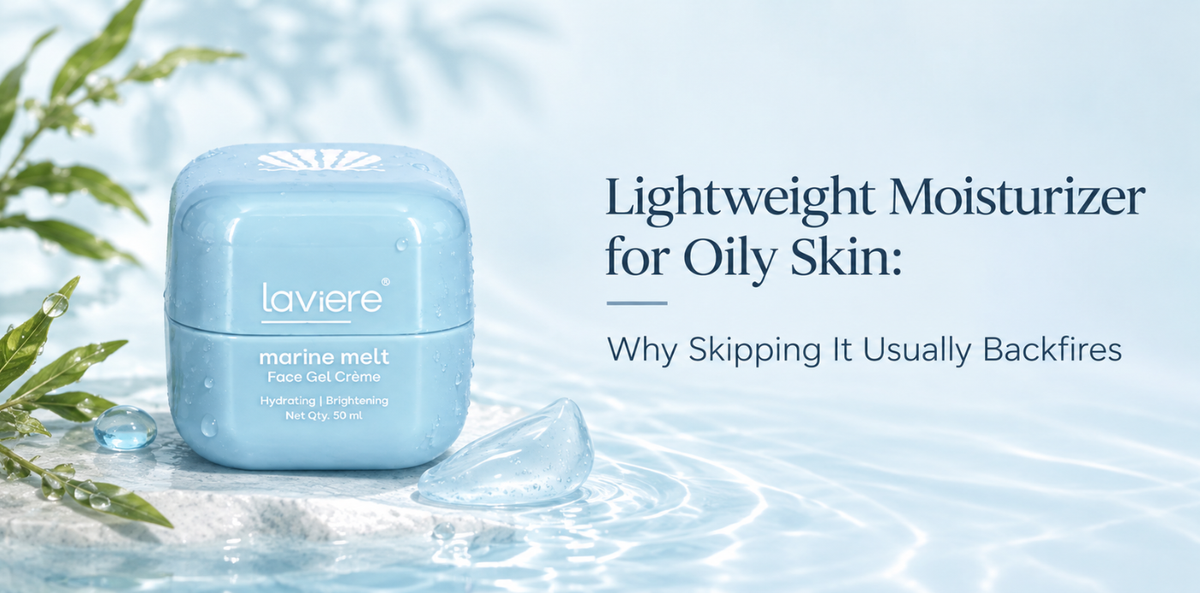
For the moisturizer itself, Marine Melt is a lightweight gel crème that brings several barrier-friendly ingredients into one step: CICA and Ceramide 2 for strengthening and moisture balance, Ectoin and Bicoalgae XT for environmental stress, hyaluronic acid for hydration, and niacinamide for texture and visible redness. It's dermatologically tested and suitable for all skin types. As with any new product, patch test first, and check the full ingredient list if you already know your personal triggers.
Keep the rest of the routine minimal while your skin settles. Cleanser, moisturizer and a sunscreen you tolerate well are enough for the first few weeks.
When it's more than sensitivity
Some conditions look like sensitive skin but need professional care. If you have persistent facial redness with visible blood vessels, flaking patches that itch intensely, or burning that doesn't settle even with a very simple routine, see a dermatologist. Rosacea, eczema and contact dermatitis respond best to targeted treatment.
FAQs
Q: Can I use a gel moisturizer if my skin is sensitive?
Yes. Texture isn't what makes a moisturizer gentle; the ingredients are. Many people with sensitive skin in humid climates prefer gel-creams because they don't trap heat.
Q: Is niacinamide safe for sensitive skin?
For most people, yes, and it supports the barrier over time. If you're very reactive, introduce it slowly and watch for tingling.
Q: How long before a new moisturizer calms my skin?
Many people feel more comfortable within days, but barrier repair usually takes a few weeks of consistent use.
Q: Should I choose a face moisturizer for sensitive skin with SPF?
A separate sunscreen gives you more control over what touches your skin, and makes it easier to identify the culprit if you do react.
A good face moisturizer for sensitive skin should feel like a relief, not a risk. Keep the routine short, patch test everything, and give your barrier the time it needs.

Written by Madhu Tiwari