How to Repair Damaged Skin Barrier on Face: A Calm, 4-Week Plan
It usually starts small. Your usual moisturizer stings. Your cheeks look red after a hot shower. You're oily and flaky at the same time, and breakouts show up in places they never used to. If this sounds familiar, your skin barrier is probably asking for a break. The good news is that barrier damage is very common and very fixable. If you've been searching for how to repair a damaged skin barrier on your face, this step-by-step plan works without buying a cabinet full of new products.
What the skin barrier actually is
The skin barrier is the outermost layer of your skin, the stratum corneum. Picture a brick wall: flattened skin cells are the bricks, and a mix of lipids (ceramides, cholesterol and fatty acids) is the mortar. Together they keep water in and irritants, pollution, and microbes out.
When that mortar thins out, water escapes faster and irritants slip in more easily. That's why a damaged barrier feels dry and reactive at the same time.
Signs your barrier is damaged
Look for a cluster of these rather than any single one:
• Products that used to feel fine now sting or burn
• Tightness after cleansing, even with oily skin
• Rough, flaky patches alongside shine
• Redness that flares with heat, sun or spicy food
• Small breakouts or bumps you can't explain
• Skin that looks dull and feels "thin"
What damages it in the first place
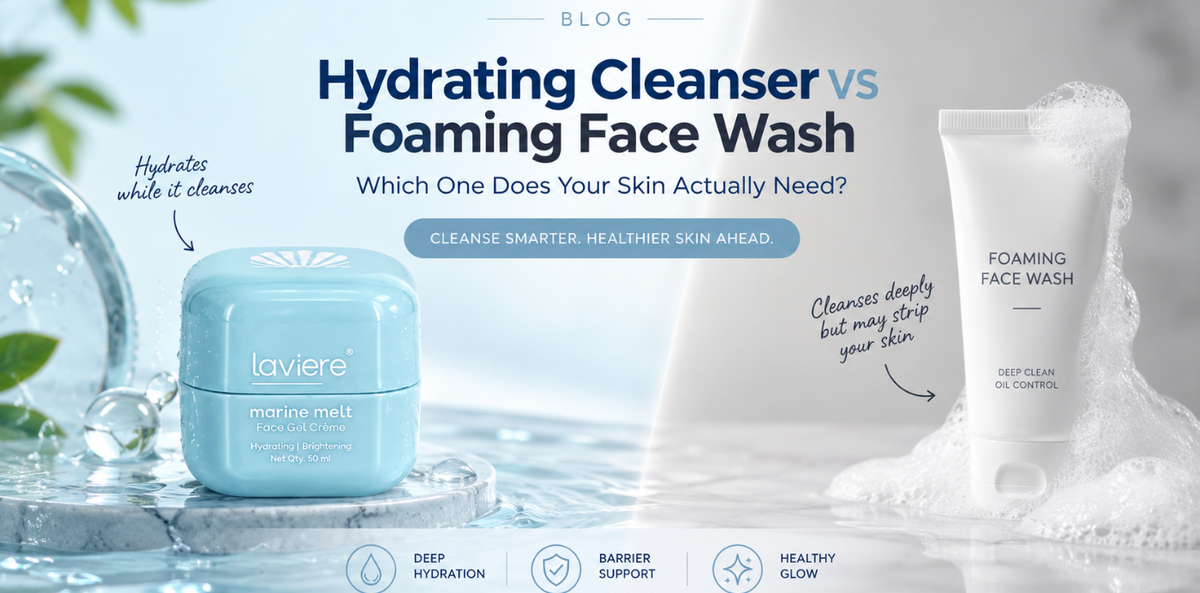
The most common culprit today is doing too much. Stacking exfoliating acids with retinoids and vitamin C, scrubbing, and switching products constantly can wear down even resilient skin. Harsh foaming cleansers, very hot water, unprotected sun exposure, pollution and dramatic shifts in climate (think AC all day, then humid streets) add to the load.
How to repair damaged skin barrier on face, week by week
Week 1: Stop and simplify
Pause every exfoliating acid, retinoid, scrub and peel-off mask. This is the hardest step and the most important. Your routine for now is three things: a gentle cleanser, a barrier-supporting moisturizer and sunscreen. That's it.
Week 1 to 2: Cleanse gently, hydrate generously
Switch to a non-stripping cleanser. Hydra Splash cleanses and removes makeup while adding hydration through hyaluronic acid and glycerin, with CICA to soothe. Use lukewarm water, never hot, and pat the skin dry.
Apply hydration while your face is still slightly damp. A lightweight, multi-active serum like Zen Fusion layers sodium hyaluronate, D-panthenol and centella callus conditioned media, which suits skin that's recovering. If even serums sting right now, skip them for a week and go straight to moisturizer.
Week 2 to 3: Rebuild the mortar
This is where your moisturizer earns its place. Look for barrier lipids like ceramides, humectants like hyaluronic acid, and calming ingredients like centella and panthenol. Niacinamide is helpful too, since research shows it supports the skin's own ceramide production.
Marine Melt, Laviere's gel crème, brings Ceramide 2, CICA, niacinamide, and hyaluronic acid together with Ectoin, an extremolyte that helps protect skin cells from stress. Its light texture makes it easy to use twice a day even in humid weather. We've covered this step in more detail in our guide to choosing a barrier repair moisturizer.
Every day: Protect
Wear a broad-spectrum sunscreen every morning, even indoors near windows. UV exposure slows repair and triggers inflammation, and irritated skin is more prone to pigmentation, especially in Indian skin tones.
Week 4 onwards: Reintroduce slowly
Once stinging and tightness have gone for at least a week, bring back one active at a time, starting two or three nights a week. Wait two weeks before adding another. If irritation returns, step back.
How long does barrier repair take?
Most people feel less stinging and tightness within a few days of simplifying. Visible improvement in flaking and redness often follows over two to four weeks. Deeper recovery, where your skin feels robust again, can take a month or more, depending on how damaged it was and whether you stick with the gentle routine.
When to see a dermatologist
If redness, burning or scaling hasn't improved after four weeks of a simple routine, or if you have oozing, swelling, or intense itching, see a dermatologist. Eczema, rosacea, fungal infections and allergic reactions can all look like barrier damage but need different treatment.
FAQs
Q Can I use vitamin C while repairing my skin barrier?
It's best to pause strong vitamin C serums until the stinging stops. Gentle, lower-strength derivatives within a multi-active formula are usually easier to tolerate.
Q: Is niacinamide good for a damaged skin barrier?
Yes, for most people. It supports ceramide production and helps calm redness, though very reactive skin should introduce it gradually.
Q: Should I stop wearing makeup?
Not necessarily, but choose a gentle cleanser that removes it thoroughly without scrubbing.
Q What's the fastest way to repair damaged skin barrier on face?
There's no overnight fix. Stripping your routine back to cleanser, moisturizer, and sunscreen is the quickest route to recovery.
Knowing how to repair a damaged skin barrier on the face mostly comes down to restraint. Do less, choose gentle, stay consistent, and give your skin a few weeks to rebuild.

Written by Madhu Tiwari